
North American Bird Search Box
This search box can be used to find bird species using bird's english, french or latin name, or to identify bird by its 4 letter Alpha Code
Field Guide for all the Birds of North America
Bobolink
4 Letter (english names) Alpha Code: BOBO (1)
Goglu des prés
Dolichonyx oryzivorus
Information, images and range maps on over 1,000 birds of North America, including sub-species, vagrants, introduced birds and possibilities
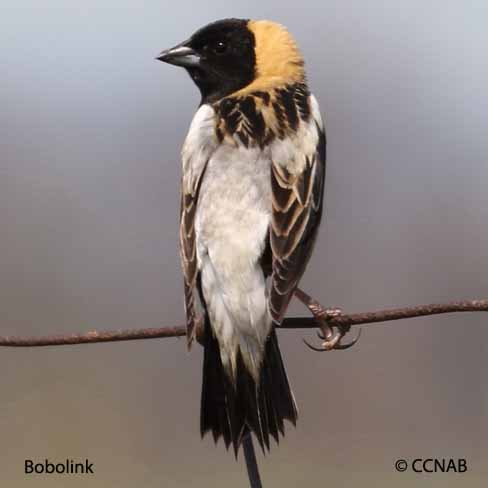
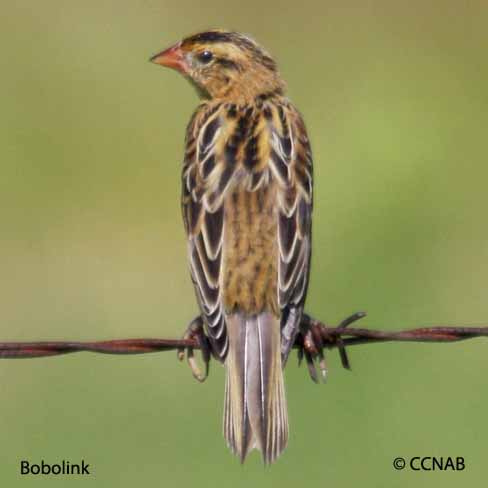
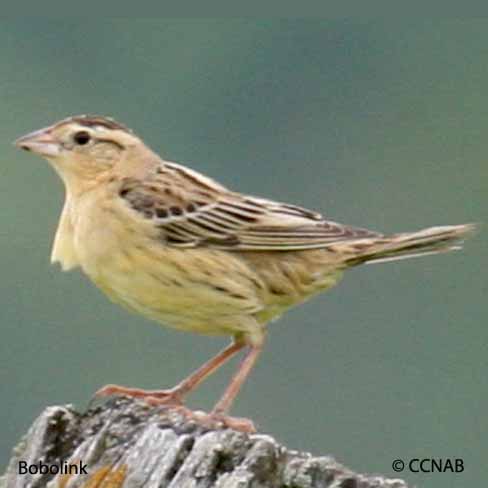
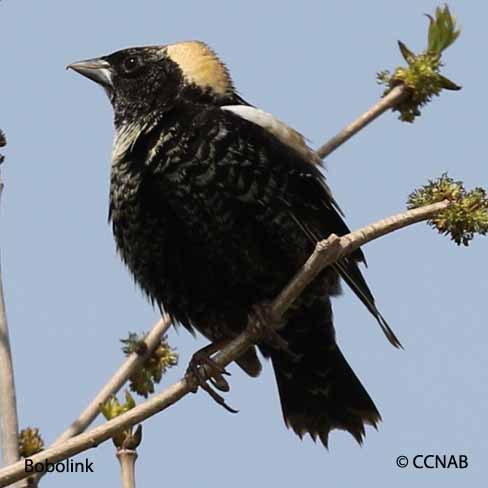
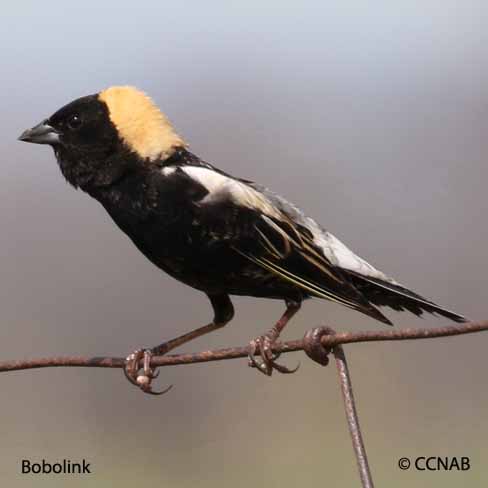
Life, Habitat & Pictures of North American Bobolinks
| B L | W W | W | Family | Latin Name |
|---|---|---|---|---|
| 7" 17.80cm | 11.5" 29.20cm | 1.5oz 42.53g | Icteridae | Dolichonyx oryzivorus |
North American Birds Videos
- Click here - Female - Breeding plumage
- Click here - Female - Breeding plumage
- Click here - Male - Breeding plumage
- Click here - Male - Breeding plumage
North American Bird Calls
- Click here
- Click here
- Summer
- Year Around
- Winter
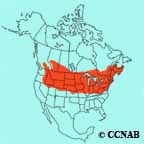
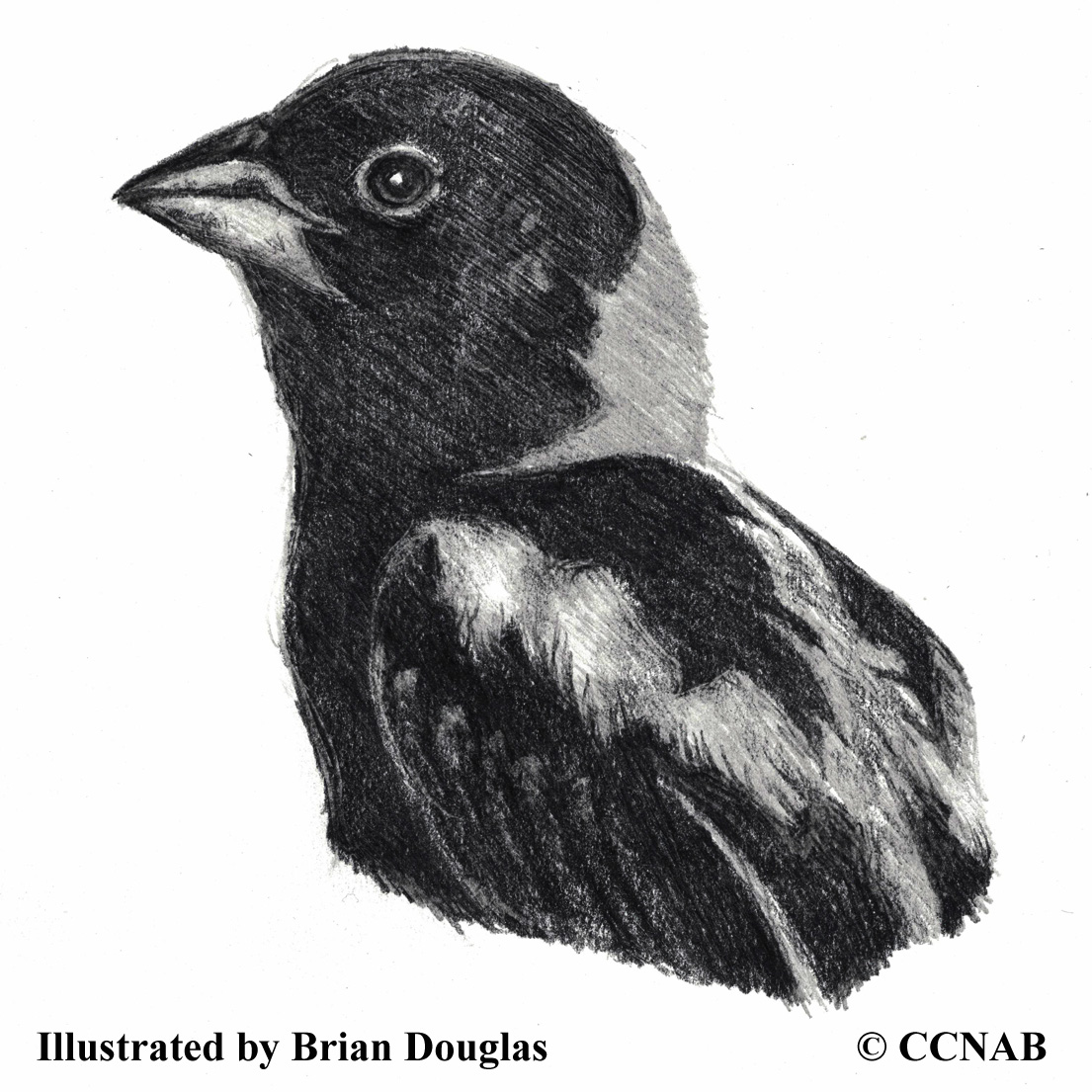
It is often said that the Bobolink has the colours on its back that should be on its breast. The population of these field birds are in a steep decline mainly due to the harvesting practices of the North America farmers. The hay is being removed from the fields before the young bobolinks are fledged, leading to a very large percentage of the young not reaching maturity. These birds migrate into South America every fall and return to North America every spring.
Reference to Other Bird Site:
ABA - American Birding Association This site represents an organization that maintains official records of all birds species that have been proven to have been seen inside the perimeters of the North American Continent and the surrounding bodies of water. Regular revised versions are posted to keep the bird list current at all times. This is the list used by all serious birders over their lifetime. You may be aware of the movie called the "Big Year". It was with this list that all the competing birders used in an attempt to set a new record as to how many bird species that could be seen by an individual birder in one calendar year.