
Field Guide for all the Birds of North America
Flycatchers, Kiskadee, Pewees, Phoebes, Tyrannulet & Wood-Pewees
Moucherolles
Muscicapidae & Tyrannidae
Information, images and range maps on over 1,000 birds of North America, including sub-species, vagrants, introduced birds and possibilities
North American Bird Search Box
There are at least thirty-six native species of flycatchers and bird species related to the flycatcher's family in North America. These include the pewee, wood-pewees, phoebes, tyrannulet, kingbirds and kiskadee. The largest number of these birds are seen in the warmer regions of the continent.
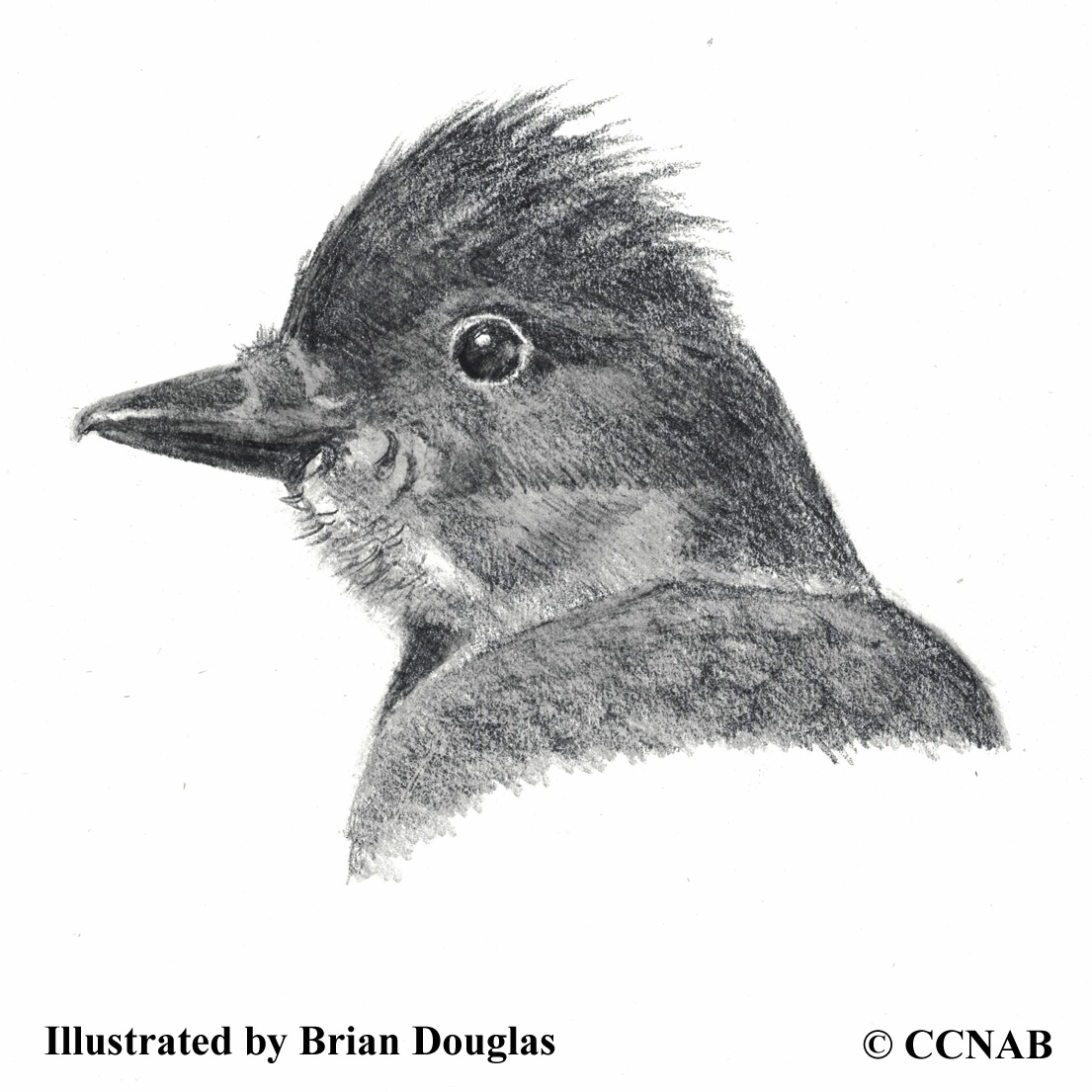
Along with the native flycatchers, there are the non-natives species, known as the vagrants or visitors from other countries or continents. There are approximately twenty species of flycatchers (and counting) from Mexico, the Caribbean islands, Central and South America, that have been reported seen, at one time or another, in North America and are on the ABA list. These include non-native flycatchers and bird species related to the flycatcher, such as the becard, elaenias, kingbirds, pewee and tityra.
There are also approximately 12 vagrants (flycatchers) from Eurasia that are usually seen in the spring and fall migration periods. These are the non-native flycatchers and bird species related to the flycatchers, such as bluetail, redstarts (although, native redstart seen in North America are members of the warbler family), robins (again, native robins seen in North America are members of the thrush family) and the rubythroat.
Vagrants or visitors from other areas of the world are sometimes a one-day wonder. Other times, they may be seen for days, weeks and even months. Strong winds and storms are contributing factors, forcing birds off their territories or their migration paths.
Reference to Other Bird Site:
ABA - American Birding Association This site represents an organization that maintains official records of all birds species that have been proven to have been seen inside the perimeters of the North American Continent and the surrounding bodies of water. Regular revised versions are posted to keep the bird list current at all times. This is the list used by all serious birders over their lifetime. You may be aware of the movie called the "Big Year". It was with this list that all the competing birders used in an attempt to set a new record as to how many bird species that could be seen by an individual birder in one calendar year.